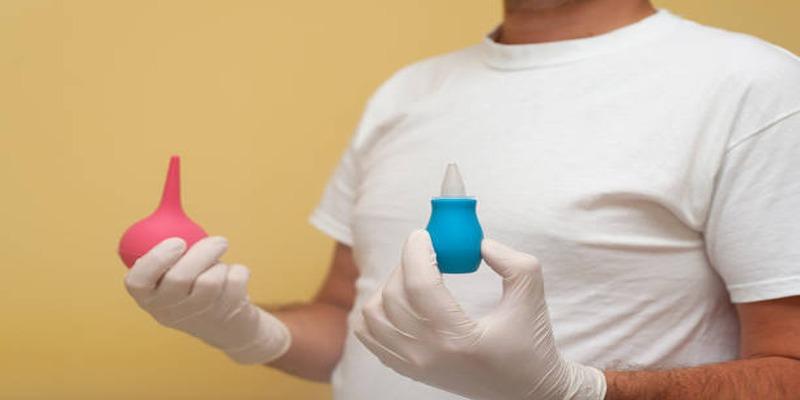
Enemas offer quick relief from constipation and are often used for bowel cleansing before medical evaluations. While helpful, their misuse or overuse can be dangerous. This article will explore the advantages and risks of enemas, and discuss safer alternatives.
What Is an Enema?
An enema, which involves passing of liquid into the rectum, is a procedure that involves the use of a tube. It is used to induce bowel movements, empty the colon, or even prepare the body for an endoscopic procedure. In comparison with oral laxatives, enemas are locally acting, and relatively fast in their action.
Why People Turn to Enemas
Enemas deliver immediate results, which are favored by most people. We shall now explore the different issues that cause people to choose this approach.
Constant Constipation Problems

Chronic constipation can be a persistent challenge that isn’t always resolved by increasing fiber intake, staying hydrated, or using traditional remedies. In such cases, enemas can provide quick and effective relief, offering a solution for discomfort and irregularity.
Desire for Quick Relief
Another highly appealing side of enemas is the speed of action. Oral remedies need hours to take effect whereas most enemas may produce visible impacts in a few minutes. Their fast reaction ensures that they are a desirable choice to people who want instant relief against bloating, pressure and the overall ache that accompany constipation.
Medical Recommendations in Cases
In addition to the Law of Reflex, enemas result in an important role in medicine. Medical practitioners often offer or feed Nemas as preliminary measure to undergo other procedures. Such as colonoscopies, during which a clean bowel is absolutely necessary to familiarize the sight clearly; in some type of surgical intervention; or before a child is born to get everything in order.
Potential Benefits of Enema Use
There are many aspects into which enemas may apply, and to a certain situation, this tool may offer numerous advantages. We can now look at some of the most important benefits that have usually potential accommodation with their proper usage.
Friedman Cure of Constipation
The ability of the enemas to carry instant relief to the constipation is one of the most known benefits of the enema. In the case of natural bowel movements hampered resulting in discomfort, bloating and a logical fullness a successful quick and effective rectum and low colon clearing is the result of an enema.
Critical to Medical Treatment
Enemas are significantly and frequently used during the pre-procedural set up before any kind of medical procedure especially when the gastro intestinal tract is involved. An example of this is essential before one undergoes some procedures like the colonoscopy where having a clear and clean view of the intestinal lining is critical towards proper diagnosis and identification of abnormalities.
Several times on Detoxifications
The concept of detoxification is often debated, but enemas can be used temporarily in specific, controlled situations with proper caution. In such cases, enemas may help alleviate pain caused by difficult or painful bowel movements, which can sometimes be perceived as a buildup of toxicity or sluggish digestion.
Risks and Concerns of Frequent Enema Use
Though the usefulness of enemas may be seen under highly limited circumstances and situations, which can be treated with extreme care, the applications of the procedure on a general, regular basis raise a variety of extensive and serious drawbacks and risks. It is totally important that an individual should understand these risks carefully before deciding whether to use them or not, as a way of making healthy and safe decisions regarding human health.
Reduced Natural Bowel Function
Perhaps the most important issue related to common practices of using enema is that there is a propensity of the body to develop a physical dependence. The bowel muscles will eventually get used to this intervention when an external intervention i.e. an enema regularly stimulates their muscles. This adaption may cause into the future an impaired capability of the natural bowel muscles to contract and act effectively autonomously.
Irritation and Inflammation of Rectal Tissues
Using enema often or vigorously may cause irritation on the sensitive rectum and anus tissues. Physical embolism and direct interaction with enema solutions may lead to discomfort, soreness or even redness. Long-term or incorrect use can even result in proctitis (inflammation of the rectal lining) or fissures (small tears), so that it can cause pain, bleeding or fever.
Potential Electrolyte imbalance
Such electrolytes as sodium, potassium, calcium, and phosphate play important roles in most body processes, especially nerve signaling, muscle contraction, and fluid balance. When these enema solutions are ingested into the blood system in great amounts or even through a length of best times, they may cause an imbalance.
Alternatives to Frequent Enema Use
It is primary to look into healthier and sustainable alternatives to enhancing bowel performance and long-term digestion health with enema as a last resort before it becomes the routine practice.
Dietary Fiber and Hydration
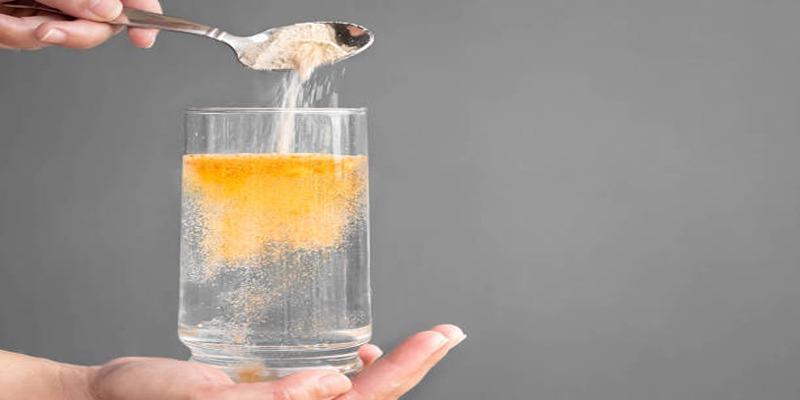
Fruits, vegetables, legumes, and whole grains contain the source of dietary fiber in excess of which to regulate the digestion is possible in a natural manner. Fiber also makes the stools bulkier and less difficult to pass, and the overall wellness of the gut. It is important to avoid constipation by a high-fiber diet and sufficient hydration that will soften stools and prevent constipation.
Exercise/Regular Exercise and Bowel Routine
Also an important way of keeping digestive health is by engaging into physical exercises regularly. The exercise is known to stimulate the intestinal muscles that help them move in the digestive system and keeps your body at the natural pace. Swimming yoga or walks can be a particularly efficient way of staying up-to-date with your digestive system.
PEwsft Butter or chosen mild Laxatives
If diet and lifestyle changes aren't enough, stool softeners or mild laxatives can offer temporary relief, but always use them under medical guidance. These options are generally effective and less invasive than regular enemas. For instance, stool softeners can make bowel movements more comfortable by adding moisture to the stool, and mild laxatives can gently stimulate the body's natural processes.
Conclusion
Occasional constipation and medical procedures can be volunteered using enemas, which are not harmless. Excessive use may lead to a dependency, irritation or imbalance. Rather, a more sustainable way out, like balanced eating, hydration and living a life on the move have fewer risks in the long term. Enemas may be involved in the bowel care but when used properly and in little cases, they are not disastrous habits.