Identity theft is not just a statistic or a headline; it’s a real problem that can derail someone’s financial life in ways that are both unexpected and exhausting. Picture discovering a loan taken out in your name, or being denied a mortgage because of debts you never incurred. These situations are more common than people realize, and they highlight the need for identity theft protection.
By monitoring your personal data and alerting you to suspicious activity, these services provide a safety net. They don’t eliminate every risk, but they help you act quickly, reduce potential harm, and guide you through recovery if your information is stolen.
Understanding Identity Theft Protection
Identity theft protection is designed to keep a close watch on your personal details across a wide range of channels. It monitors credit reports, bank accounts, loan applications, and even corners of the internet where stolen identities are traded. If your Social Security number, driver’s license, or credit card details show up in unusual places, you get notified. This early detection is what makes the service effective, because many people don’t find out about fraud until the bills arrive or debt collectors start calling.
These services are not just about spotting problems. Many provide access to specialists who walk you through recovery if fraud occurs. They can help with disputing charges, correcting your credit file, and making sure accounts are closed or flagged appropriately. Some packages even come with identity theft insurance, which can cover expenses like lost wages, legal fees, or notarization costs. For people who wouldn’t know where to start after a breach, this assistance is invaluable.
Why is Identity Theft a Growing Concern?
The digital age has multiplied the opportunities for criminals to steal information. Years ago, thieves might have stolen mail or rifled through trash for sensitive documents. Today, they launch large-scale cyberattacks, hack into databases, and send phishing emails disguised as legitimate requests. With every breach reported in the news, thousands or even millions of identities are put at risk. Once exposed, that data may circulate online for years, being sold and resold to fraudsters.

The range of crimes tied to stolen identities has also widened. Beyond fraudulent credit cards or loans, there are cases of tax refund fraud, where a criminal files a fake tax return in your name before you do. Others commit medical fraud, using stolen information to receive treatment or prescriptions. In severe situations, someone’s identity has been tied to criminal activity, leaving victims to prove their innocence. The financial and emotional fallout can last for years, which is why prevention and monitoring have become so important.
The Benefits of Identity Theft Protection Services
The first advantage of identity theft protection is speed. Without monitoring, fraud might go unnoticed until a bill arrives months later. With alerts in place, you know within hours or days that something is wrong, giving you a chance to stop the damage. This can make the difference between a minor inconvenience and years of dealing with financial chaos.
The second advantage is guidance. Recovering from identity theft involves contacting credit bureaus, working with banks, filing police reports, and, in some cases, hiring legal help. Having a service that assigns you a recovery specialist means you aren’t navigating the process alone. This kind of structured support reduces stress and ensures you don’t miss steps that could leave you vulnerable in the future.
A third benefit is financial coverage. Some plans include insurance that reimburses you for expenses tied to recovery. Even if you’re not directly liable for fraudulent charges, you may face costs such as lost time at work, paying for certified mail, or securing legal documents. Knowing that these expenses are covered adds an extra layer of security.
Finally, these services provide peace of mind. While no system is perfect, knowing that someone is watching out for your identity around the clock allows you to focus on your daily life rather than worrying about unseen threats.
How to Protect Yourself Beyond Services?
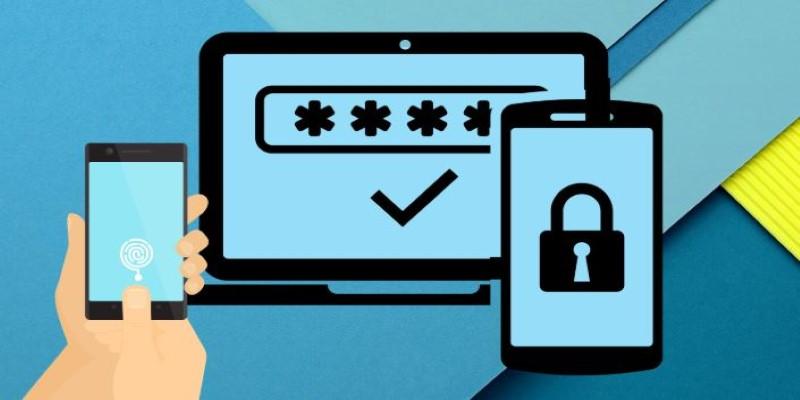
While identity theft protection services are effective, personal habits play an equally important role. Simple actions, like creating unique passwords for each account and updating them regularly, can reduce risks. Multi-factor authentication, where you confirm your identity through a second method such as a text or authentication app, makes it harder for criminals to break into accounts. Reviewing your credit card and bank statements every month ensures you can spot charges you didn’t make.
Offline, there are still risks to consider. Shredding financial documents before throwing them away prevents thieves from collecting information from discarded mail. Be cautious when giving out personal details over the phone or through unsolicited emails, as scams often rely on tricking you into sharing what they can’t steal electronically. Regularly checking your credit reports from the three major bureaus—Equifax, Experian, and TransUnion—also helps, since you’re entitled to a free report from each bureau every year.
When combined with identity theft protection services, these practices create a stronger barrier. Services give you professional monitoring and recovery support, while your personal vigilance reduces the likelihood of fraud in the first place. Together, they form a balanced approach that addresses both prevention and response.
Conclusion
Identity theft protection is now a necessity in a world where personal data is exposed daily. It detects fraud faster, offers recovery support, and often includes financial coverage to reduce the stress of stolen information. Without it, victims can spend years repairing their credit and financial records. When combined with habits like reviewing credit reports, using strong passwords, and limiting where you share details, these services form a strong defense. Protecting your identity is about more than security—it’s about peace of mind and stability.