Warm coastal waters sometimes contain bacteria capable of causing severe soft tissue infection after entering the body through small skin injuries. Medical literature often links these infections with organisms such as Vibrio vulnificus found in marine and brackish environments. Although uncommon, rapid progression can lead to extensive tissue damage if diagnosis occurs late. Health authorities monitor seasonal patterns in coastal regions. Awareness of exposure risks, early symptoms, and preventive steps helps support quicker medical evaluation and improved patient outcomes during warmer months.
Natural Presence of Harmful Bacteria in Coastal and Brackish Waters
Marine bacteria are part of coastal life, not an outside contaminant. As water warms, some species multiply faster, and Vibrio vulnificus is the one clinicians watch most closely. It favors salty and brackish water, especially in summer, and levels can rise after heavy rain or flooding. Runoff stirs sediment and organic material into shallow areas, creating conditions that support higher bacterial loads near shorelines and boat ramps.
Infection usually starts with an easy-to-miss opening in the skin. A scraped shin from rocks, a small cut from fishing line, a puncture from a shell, or a healing incision can provide a direct path into deeper tissue. In coastal emergency rooms, the pattern is familiar, a minor injury earlier in the day, followed by pain and swelling that seem out of proportion to the wound.
Underlying health conditions can shift the risk dramatically. Chronic liver disease, diabetes, and iron overload disorders show up often in severe cases. Higher circulating iron can accelerate bacterial growth, so clinicians routinely ask about medical history when seawater exposure is part of the story. Water testing programs track trends and issue advisories, but conditions can change fast. A spot that looked safe last week may carry a different risk after a heat spell or storm runoff.

Early Symptoms and Clinical Warning Signs
Early symptoms can look deceptively ordinary at first: a sore spot near a small cut, mild redness, and a little swelling. The difference is pace. Pain often arrives early and feels out of proportion to what shows on the surface, sometimes described as deep, burning, or spreading beyond the visible edge of irritation. That imbalance between appearance and discomfort is one of the first clues that the problem may be moving below the skin.
Swelling can extend rapidly past the original wound, and the skin may shift from red to a dusky, bruised tone as circulation in the area becomes compromised. Blisters may form, filled with cloudy fluid or blood-tinged liquid, signaling injury in deeper layers rather than a simple surface infection. In emergency settings, staff often outline the redness with a marker to track change over short intervals. Expansion beyond that boundary, even within an hour or two, raises urgency.
Fever, chills, and sudden exhaustion can follow. As infection spreads systemically, blood pressure may drop, and mental status may change, findings consistent with sepsis. Lab results can support concern, including elevated white cell counts or metabolic abnormalities. Imaging may show gas in tissue, yet a normal scan cannot rule out serious infection. Rapid progression remains the key warning sign.
Medical Risks and Complications Associated With Severe Infection
Necrotizing bacterial infection damages muscle, fascia, and surrounding connective tissue. Toxins produced by the organisms destroy small blood vessels and limit circulation. Reduced blood flow prevents immune cells and antibiotics from reaching the affected area effectively. Surgical removal of infected tissue therefore becomes an important part of treatment.
Operating teams sometimes perform urgent debridement during the same day of admission. Surgeons open the infected region and inspect the underlying tissue layers. Gray discoloration, loss of normal bleeding, or easily separated fascia indicate extensive infection. Removing damaged tissue slows bacterial spread and reduces toxin release.
Severe cases may progress to bloodstream infection. Once bacteria enter circulation, septic shock can occur. Intensive care units manage these complications using intravenous antibiotics, fluids, and medications that stabilize blood pressure. Continuous monitoring of organ function becomes necessary during this stage of treatment.
Hospital stays may extend for weeks, depending on severity. After infection control, reconstructive procedures may address tissue loss. Skin grafting and muscle flap surgery restore coverage for exposed structures. Rehabilitation specialists later assist with strength recovery, mobility training, and wound care education.
Long term outcomes vary. Some patients regain full function, while others experience nerve damage or reduced limb movement. Early treatment improves survival and reduces permanent disability. For that reason, emergency departments in coastal areas remain alert to unusual skin infections during warmer seasons.
Practical Prevention Measures for Water Exposure
Practical prevention starts with treating any break in the skin as a potential entry point. Coastal water and brackish bays can carry bacteria that take advantage of tiny cuts, fresh scrapes, or healing incisions. Keeping wounds out of the water is the simplest safeguard, even when the injury seems minor.
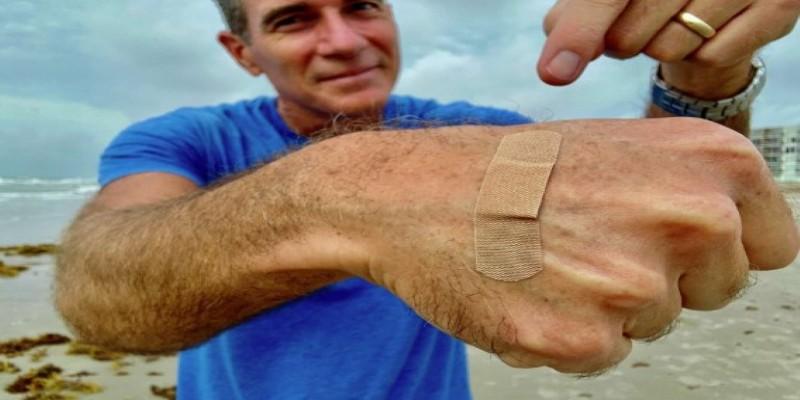
Seafood handling adds another layer of risk. Gloves and careful technique reduce punctures from oyster shells, crab spines, hooks, and knives. If a cut happens, rinsing right away with clean running water and washing with soap removes surface contamination, then a clean, dry dressing helps protect the site during the next several hours. Waterproof bandages can help when exposure cannot be avoided, but they are not failproof.
A seal can loosen with sand, sweat, or movement, so checking and replacing coverings matters. Rapidly increasing pain, spreading redness, swelling, or blisters after marine exposure call for urgent medical assessment. In coastal clinics, exposure history often guides early antibiotic choices and surgical evaluation. Extra caution applies to liver disease, diabetes, and immune suppression.
Conclusion
Flesh-eating bacterial infections associated with marine environments remain uncommon yet potentially severe. Organisms such as Vibrio vulnificus thrive in warm coastal waters and may enter the body through small skin injuries. Early symptoms often include intense pain, swelling, and blister formation near the wound site. Prompt medical treatment greatly improves outcomes. Careful wound protection, awareness of seasonal water risks, and early clinical evaluation help reduce complications linked with these rare but serious infections.