Venice can feel small on a map and overwhelming on arrival. Streets narrow without warning, bridges appear in clusters, and luggage wheels quickly become a regret. First-time visitors often focus on landmarks, then realize too late that location shapes the entire stay. Vaporetto lines, early museum entries, restaurant reservations, and airport transfers all hinge on where the hotel sits. The right neighborhood saves time and energy. The wrong one can mean long walks, crowded routes, and higher transport costs. Picking carefully makes the first visit smoother from day one.
San Marco: Central, Iconic, and Busy Year-Round
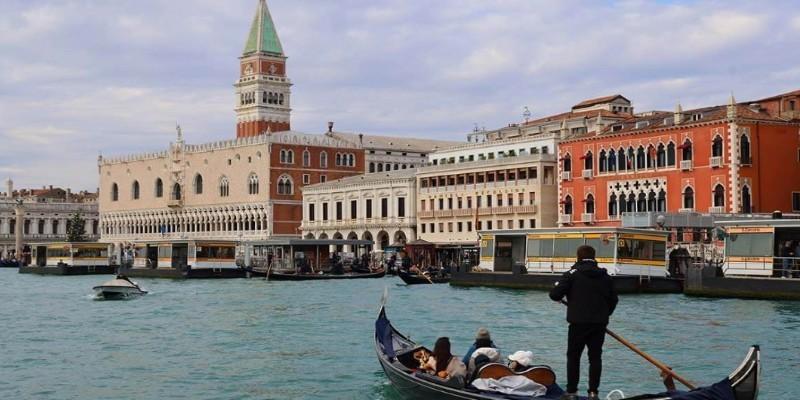
San Marco draws first-time travelers for obvious reasons. St. Mark’s Basilica, the Doge’s Palace, and the Grand Canal converge here. Staying in this district means stepping outside and already being in the center of it all. For short stays of two nights, this convenience often outweighs the higher room rates.
Travel professionals see consistent booking spikes here from April through October. Cruise ship arrivals increase daytime foot traffic, which affects noise levels and restaurant wait times. Hotels close to Piazza San Marco charge premium rates during festival periods such as Carnevale and the Venice Film Festival. Booking windows shorten in summer; last-minute deals are rare.
The practical advantage is early access. Guests staying nearby can reach major sites before tour groups arrive. That matters in peak season when timed entry slots sell out. Returning to the hotel midday is easy and helpful during humid afternoons.
There are trade-offs. Narrow lanes near the square flood first during acqua alta season, usually between October and January. Ground-floor rooms may close temporarily. Transport to the airport can take longer from interior alleys, as private water taxis require dock access. San Marco suits first-time visitors planning a brief stay and willing to budget more for proximity. It works less well for longer trips or travelers sensitive to crowds.
Dorsoduro: Local Rhythm and Museum Access
Dorsoduro sits south of the Grand Canal and feels calmer without being isolated. Art institutions such as the Gallerie dell’Accademia and the Peggy Guggenheim Collection anchor the district. Streets open into wider squares, and foot traffic spreads out more evenly. For first-time visitors seeking balance, this area often provides better value. Hotel prices run slightly lower than in San Marco, except during the Biennale when demand surges.
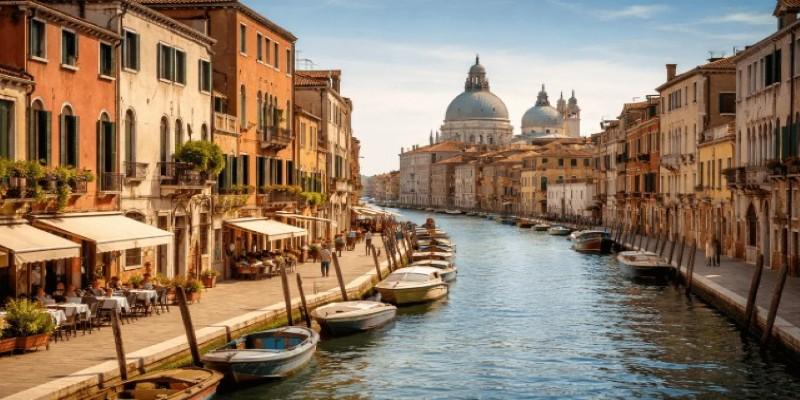
Apartments in Dorsoduro tend to book quickly for long stays tied to academic programs and art events. The walk to St. Mark’s Square takes about 20 minutes, depending on bridge crossings. Vaporetto stops along the Grand Canal offer reliable connections. That helps when arriving from Santa Lucia train station with luggage. A common scenario involves travelers staying four or five nights. They want access to the main sights but prefer quieter evenings.
Dorsoduro supports that plan. Restaurants here cater more to residents and university students, so menus and pricing feel less inflated. Limitations exist. Late at night, some streets grow quiet enough to feel isolated. Grocery options are fewer than in Cannaregio. In winter, parts of the waterfront become windy. Dorsoduro suits travelers planning a moderate-length stay, especially those interested in art and slower mornings.
Cannaregio: Value and Space Away from Tourist Clusters
Cannaregio stretches north of the main tourist circuit and includes the historic Jewish Ghetto. This district appeals to visitors prioritizing budget control and breathing room. Accommodation rates here remain more stable during high season, though prices still climb in late spring. From a travel planning perspective, Cannaregio solves two common issues. First, it reduces exposure to heavy foot traffic. Second, it offers easier access to Santa Lucia train station, useful for day trips to Verona or Florence.
The main canal through Cannaregio supports regular vaporetto service. Walking routes feel less congested, and restaurant reservations are easier to secure without booking weeks in advance. That matters during summer when dining spaces near San Marco fill rapidly. A frequent situation involves travelers arriving late by train. Staying in Cannaregio limits the distance from the platform to the hotel. Carrying luggage across multiple bridges becomes less stressful.
However, reaching St. Mark’s Square takes around 25 to 30 minutes on foot. Some first-time visitors underestimate that time and rely too heavily on water buses, which can become crowded during commuter hours. Cannaregio works well for longer stays and travelers seeking better value. It requires a willingness to walk and accept some distance from the most photographed landmarks.
San Polo and Santa Croce: Central Without the Intensity
San Polo and Santa Croce sit near the Rialto Bridge and the train station. These districts often get overlooked in early planning, yet they offer strong logistical advantages. San Polo includes the Rialto Market, active in the mornings with produce and seafood vendors. Staying nearby allows early market visits before day-trippers arrive. This can be appealing for travelers booking apartments and planning simple meals.
Santa Croce provides easier access to Piazzale Roma, the main car and bus terminal. For those arriving by taxi or rental car, this reduces transfer complexity. Airport bus connections also terminate here. Room rates vary widely. Boutique hotels near Rialto command higher prices, while properties closer to the bus terminal offer moderate pricing. Availability tends to hold slightly longer than in San Marco, making these areas practical for bookings made within one or two months of travel.
A common travel scenario involves early morning departures. Guests staying in Santa Croce reach bus or taxi connections faster, reducing anxiety about tight flight schedules. The trade-off is atmosphere. Some sections near Piazzale Roma feel less scenic. Evening dining options narrow earlier than in other districts. San Polo and Santa Croce suit travelers wanting central positioning without constant congestion. They are especially practical for short stays with early arrivals or departures.
Conclusion
Selecting where to stay in Venice shapes more than the hotel experience. It affects transport, crowd levels, and daily pacing. First-time visitors often focus on famous views, yet practical access matters just as much. San Marco brings proximity but requires higher budgets and patience for busy streets. Dorsoduro offers access with calmer evenings. Cannaregio delivers value and breathing room. San Polo and Santa Croce ease arrivals and departures. Each Venice neighborhood fits a different travel style. Aligning location with plans leads to a smoother first visit and fewer surprises.