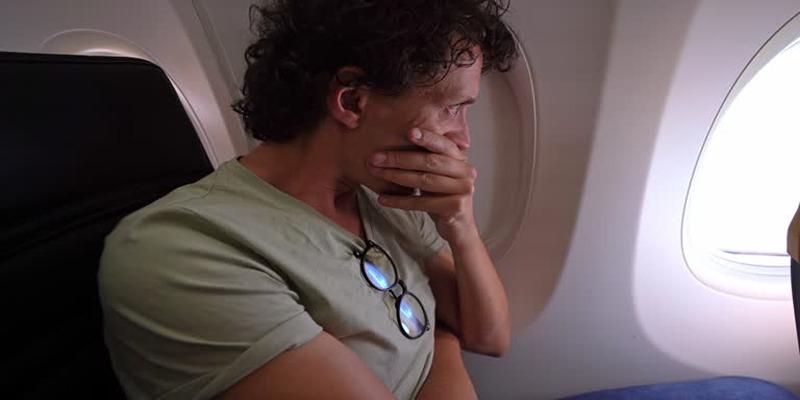
Dreams of traveling often evoke anxiety: a fear of flying, getting lost, being in an unfamiliar place, or feeling unsafe. When this rings with you, you have not been alone. Fear of traveling is a normal thing, yet it should not be the latter. This guide shares nine tips to help you overcome your fears, pack on, and discover the magnificent things the world has to offer.
Identify Your Specific Fears
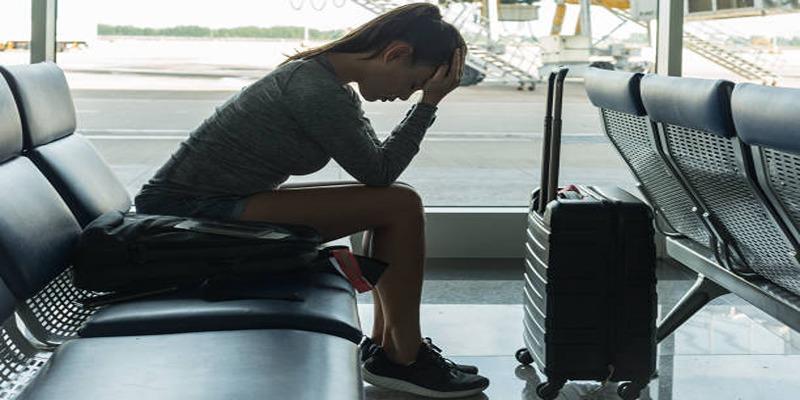
When a person comes to know what they are afraid of, that will be the first step towards conquering this fear. Mood of uncertainty about travel anxiety is a challenging one to address. Instead, take the time to think about what it is you really fear. Put a pen and a piece of paper and list all worries as far as travelling is concerned, no matter how minor or absurd they may appear.
Are you afraid of flying? What bothers you most is the turbulence, being in a confined space, or take-off? Do you have any concerns about getting ill in a different country? Are you afraid of being lost, not knowing how to communicate or being lonely?
It is far more convenient to solve one problem at a time in your feelings of anxiety, since you can manage the problem. Counterfeit strategies can now be developed to address one of the fears associated with each of these.
Start with Research and Planning
Information is the big antithesis of dread. The unknown is, in most cases, more frightening than reality, and taking a trip may expose a lot of information about traveling, which can alleviate the fear of the unknown by carrying out exhaustive studies. If you feel or think that there might not be any safety, then find official travel advice for the place you are going, read the blogs of other tourists, and see which neighborhoods are safe enough for you to spend the night in.
An elaborate itinerary is also a good way to gain control over the situation and eliminate the unknown fear. Arrange your first few days: reserve accommodation, then plan how you will get from the airport to your hotel, and create a list of places of interest within walking distance or nearby restaurants. The fact that you have a good plan in place will give you the aspect of a safety net, in the sense that you will be more spontaneous later in your journey.
Begin with Small, Manageable Trips
You do not necessarily need to embark on a backpacking tour over another continent that lasts more than a month. You can begin small if you are new, especially when traveling or feeling anxious. A short road trip or having an outing weekend with a local town or city can help immensely in gaining confidence.
Such mini journeys will enable you to test your coping skills in a hit-and-miss setting. You can practice your packing and find your way around a new location, as well as get used to being away, without going too far out of your comfort zone. Even a small, successful trip is going to prove that you were able to cope with the difficulties of traveling, and as a result, you will be able to think about how to organize bigger trips in the future.
Learn a Few Key Phrases
The language barrier is one of the primary fears that international travelers are most concerned about. The idea of having to go without being able to ask directions, order some food, or seek assistance that would be gained in a life-threatening situation can be intimidating. Although you do not have to study the language of the people, knowing a few essential phrases will make a big difference.
Pay your attention to the real words and sentences, such as:
- "Hello," "Goodbye," "Please," and "Thank you."
- "Where is the bathroom?"
- "How much does this cost?"
- "I don't understand."
- "Can you help me?"
Locals will feel acceptable they have made an effort, and appraising such phrases in your back pocket can really give you a great dose of confidence in your day-to-day dealings. Continue, resorting to applications like Duolingo or Google Translate to practice beforehand.
Focus on the 'Why'
Once the fear begins to set in, it is also beneficial to start by acknowledging the intention behind your desire to travel. What are your expectations for the level of what you are looking to get out of this experience? You feel like lying on a beautiful beach, visiting ancient ruins, trying new food, or challenging yourself?
Create a vision board or compile a list of everything that excites you. Visualize photos of where you are going by imagining yourself there. Reminding yourself of what you have to look forward to rather than what might go wrong can serve as a way of relaxing your mind and forcing you to continue fighting the anxiety.
Practice Mindfulness and Breathing Techniques
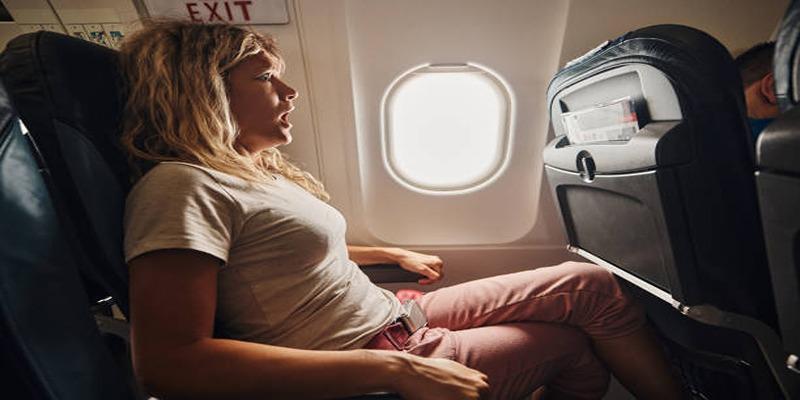
Fear usually causes the physical body to react; the heart races, so does the breath, and the muscles get taut. Meditative practices and conscious breathing are excellent techniques that can soothe your nervous system when you're experiencing a panic attack.
One simple technique is the 4-7-8 breathing exercise:
- Breathe in quietly through your nose for 4 seconds.
- Hold your breath for 7 seconds.
- Exhale completely through your mouth for 8 seconds.
Do this several times until you can begin to feel your body start to relax. This can be practiced before your trip, and every time you experience the sensation of anxiety, you can do it during a turbulent flight or when you have to move into a crowded marketplace.
Share Your Plans with Someone You Trust
You don't have to go through it alone. Have a friend or family member with whom you can share your travel plans and fears. Being aware that someone back home is aware of your travels and is following you may give great comfort in knowing you are safe. Add appointments so that you can discuss your experiences and assure them that you are fine. This paternal bond may be a bone thrown to you, particularly when you are alone on the road.
Be Kind to Yourself
Finally, and most importantly, be kind to yourself. Overcoming fear is a process, and it's okay to feel anxious. There might be moments on your trip when you feel overwhelmed, and that's perfectly normal. Don't beat yourself up for not being "brave enough."
Celebrate your progress, no matter how small. Every step you take, from booking a flight to trying a new food, is a victory. Acknowledge your courage for facing your fears and allow yourself to enjoy the journey, imperfections and all.
Conclusion
Travel fears are a common barrier, but they don't have to be a permanent one. With the right mindset, early planning, and the right tools, you can change your association with traveling. Take them step by step, applaud yourself for your bravery, and do not forget your initial reasons for wanting to discover the world. Out there, it is your next great adventure, waiting for you to take the first step.