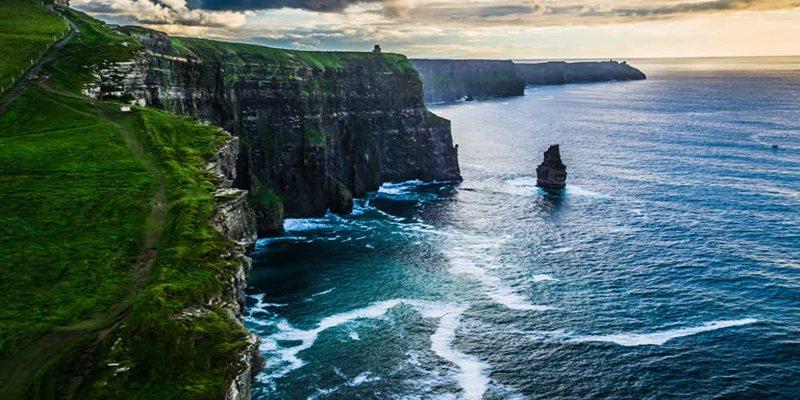
Morocco captivates photographers like few other destinations. Its bustling souks, endless Sahara dunes, ancient civilizations, and vibrant cultures create a visual feast. The kingdom is a breathtaking North African destination, making it one of the most photogenic places in the world. In this instance, photography will take viewers on a journey to explore the rich tapestry of Morocco and its status as a vital hub of exchange between Africa, Europe, and the Middle East.
The Imperial Cities: Where History Comes Alive
The four imperial cities of Morocco — Marrakech, Fez, Meknes, and Rabat — are an architectural paradise and a treasure trove of cultural spectacles for a photographer. The ruins of the city walls shape the history of the city, as well as the interesting patterns of the tilework and everyday life within it.
Marrakech
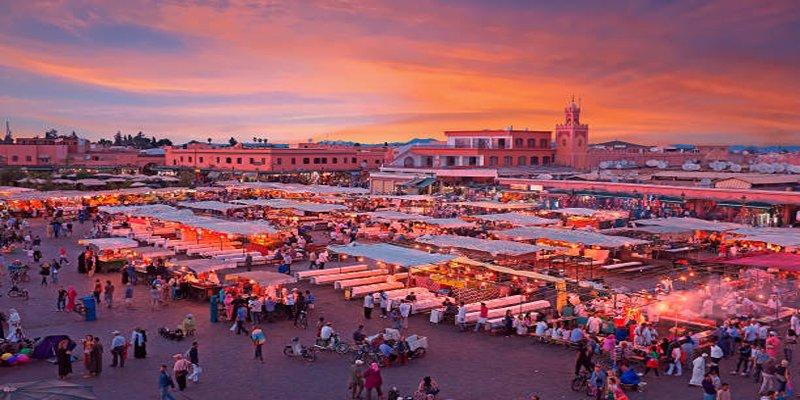
Marrakech is the most photographed city in Morocco. Famous Jemaa el-Fnaa Square changes throughout the day, offering various photographic opportunities from sunrise to midnight. The coiffure of the Atlas Mountains radiates in the morning, and evenings are introduced by snake charmers, narrators, and food peddlers, creating a carnival-like mood. The red earth constructions that give the city its distinctive name, known as the Red City, offer a warm and homogeneous effect on a palette of hues that connects the photos taken around many locations in different areas.
Fez
Fez is more medieval, with its narrow streets and its traditional artisans' quarters. The tanneries of the city, where leather has been processed in the traditional age, create beautiful landscapes that form aerial wonders with their circular dye pits, reminiscent of the pandemic, which has shaped the landscape in geometrical designs. The dichotomy of the colorful staining and the men in the traditional dress is an effective documentary photo.
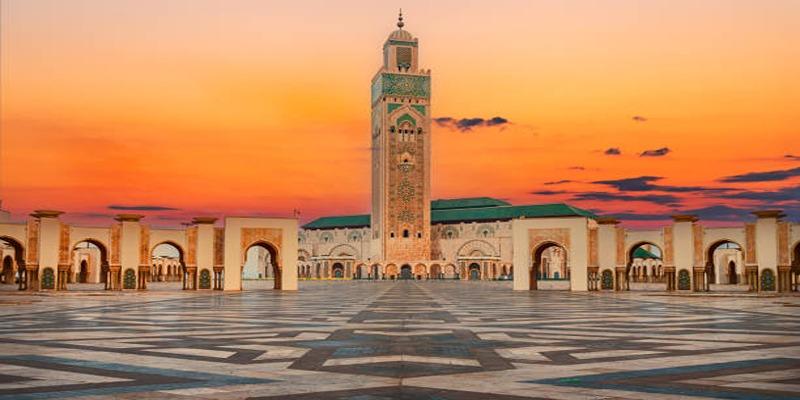
These cities offer endless subject matter just by the architecture alone. The use of decorated doorways made of cedar wood, geometric patterns of zellij tiles in blue and green, and the composition of light and shadow found in covered souks, all present possibilities of detailed close-ups and panoramic shots of the architecture.
Sahara Desert: Capturing Morocco's Golden Heart
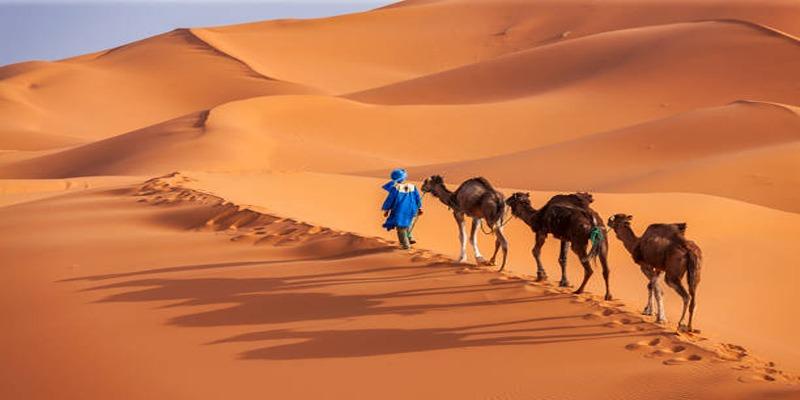
The Sahara Desert is almost half the size of Morocco's territory, and it provides some of the most representative photographic spots in the country. Similar sceneries (as seen in the Erg Chebbi dunes near Merzouga and the Erg Chigaga near M'Hamid) can switch character daily.
Saharan's Golden Hour photography yields magical results. The dunes endure warm gradients of orange and red as the sun rises and falls, and the natural inclinations are painted more or less. The lack of greenery highlights the sculptural features of the sand-carved structures, and the enormous size also allows for both close-ups and distant views.
To take photographs of the desert, one must consider specific factors. Sand has the capacity to destroy the camera gear, and some form of protection is necessary. The sheer difference between the impressiveness of the sand and the moving tones of shadows confuses the exposure settings, so bracketed shots and/or the use of graduated neutral density filters are frequently required. Despite these technical difficulties, photojournalists covering patients in rural villages are rewarded with one of the most captivating landscapes one can encounter.
Another dimension is seen in the desert with night photographs. The Sahara offers excellent stargazing opportunities with minimal light pollution. The Milky Way, curving around the dunes, can be seen in long exposure shots that offer compositions that reinforce Morocco as part of the larger celestial body.
Atlas Mountains: Morocco's Vertical Wilderness
The Atlas Mountains also span a Moroccan length similar to a backbone, providing varied photographic opportunities, ranging from snow-capped highlands to terraced lowlands. The High Atlas, the Middle Atlas, and the Anti-Atlas have distinct visual features and unique cultural experiences.
Berber villages have existed in traditional forms, clinging to the mountainsides in the Atlas range, though they often seem to sprout directly out of the mountainside. Constructed from the same stone and mud brick used in the area, these villages would be completely integrated with the environment in which they are situated, and at the same time, add a human element to the mountainous environments with their grand dimensions. Daily life can be captured in mountain towns like Imlil or Asni, creating a vibrant market day with stunning backgrounds for a perfect shot.
Another dimension that adds to Atlas is the contrast in seasons. This aspect creates a strange, contrasting reaction between the North African architecture and the snow-covered heights in winter. In the spring, the almond blossoms cover the valleys with pink and white, and in the fall, a beautiful golden hue comes to the middle Atlas in the forests of the deciduous trees.
It is a bodily exercise when traveling to capture photos in the Atlas Mountains. Still, it is all worth the adventure, as excited photographers can visit the far-flung areas that the average tourist can barely reach. Several treks to Toubkal Mountain, being the highest mountain in North Africa, is an opportunity to capture both the journey and the destination for documentation.
Coastal Morocco: Where Atlantic Meets Culture
The Atlantic coast of Morocco offers another photographic approach, with the waves of the ocean crashing against the old ramparts and fishing boats moored on the sandy beaches. Essaouira has attracted artists and influences from Portuguese architecture, drawing photographers over the years.
The blue and white coloring of the coastal towns gives it a lighter palette in comparison to the earth tones that are progressively warmer in the inland part. The classic fishing boats, painted bright blue and green, form powerful focal points against the otherwise distant, stark grains of plastered walls and sandy beaches.
Twilight along the Atlantic Sea is a great spectacle, especially on barren pinnacles overlooking ancient ports. The results of the harmonious associations of architectural forms, water reflections, and serene sky tints are naturally structured compositions.
The Human Element: Portraits of Moroccan Life
Large sceneries and architectural landscapes are the pillars of Moroccan photography, but humans bring these environments into existence. In Moroccan cities, street photography captures the vitality and variety of life being lived, from schoolchildren in their traditional attire to artisans reverting to the old ways of doing things.
Moroccan culture must be sensitive to portrait photography, which may be further supported by developing a relationship with the subject over time. Most Moroccans are glad to be photographed, and in this regard, one should act appropriately and show genuine interest in learning about their stories. Some people, however, give privacy permits, and the photographer should always seek permission before taking portraits.
The fact that Moroccan faces are diverse indicates the country's geographical location, situated between the boundaries of Africa, Europe, and the Middle East. The influence of the Berber, Arab, and sub-Saharan African individuals is a rich tapestry of human stories that have their own tales to narrate through photography.
Conclusion
The photography attraction of Morocco is based on its visual richness, which combines exotic beauty with a challenge to discover something new, such as related markets, architecture, and portrait areas that offer a fresh appearance and view. Its rich culture, a result of centuries of exchange, is an exemplar of color, light, and composition. Iconic spots like Marrakech's Jemaa el-Fnaa and the Sahara inspire, but hidden gems and quiet moments often tell the most compelling stories, capturing Morocco's timeless magic and cultural warmth.