Lymph nodes are swollen bean-sized glands that also belong to your immune system. You do not pay them much attention in the majority of cases, but when they flare up, it is worth paying attention. Any swollen lymph nodes will normally be an indication that your body is trying to combat something i.e., there is an infection.
What Are Lymph Nodes and Why Are They Important?

With the experience of why lymph nodes swell, it is important to know what they are and their functions.
The Function of Lymph Nodes
Your lymph nodes serve as mini-filters. They entrap all germs, as well as destructive particles and wastes. They have types of immune cells, referred to as lymphocytes, within them that fight against infections.
In response to an invader detected by your body, these cells reproduce and attack it. It is in this activity that the node becomes larger, and that is what causes you to feel the swelling.
Where Lymph Nodes Are Found
- Neck: Colds and throat diseases frequently cause swellings in the throat and on the neck.
- Underarms: The arms and chest are connected by way of them.
- Groin: It is attached to the legs and lower belly.
- Chest and Abdomin: It is located deeper, and is not always felt actively.
Every cluster of nodes relates to the particular location of the body. Unless swelling occurs, it will be an indication of something beneficial.
Why Do Lymph Nodes Swell?
Generally, swelling is one of the indications of an active immune system. We will now analyse the major causes of this.
Infections
Swollen lymph nodes are most likely caused by infection.
- Viral infections: The swelling in the neck can be a result of colds, flu, ear infections, etc.
- Bacterial diseases: Swelling can be caused by Strep throat, skin infections, or dental abscesses.
- Local Formation: The authoritarians can resort to swelling of the groin nodes by the cut on the leg.
This swelling is temporary, and it normally heals as soon as the infection is clear.
Immune System Reactions
In some cases, the immune system responds so much even to a little irritation. This may result in temporary swelling that will be cured on its own.
Local Irritation or Inflammation
Edema is not necessarily a significant disease. Even such minor things as a bite from an infected insect can cause the enlargement of the surrounding lymph nodes.
Symptoms That Come with Swollen Lymph Nodes
The swollen lymph nodes are not only features by themselves; in most cases, they are followed by other events.
Tenderness and Pain
When you touch the lumps in the swollen node, they are painful. As an illustration, your neck may be in pain from the nodes while swallowing when you are infected in the throat.
Changes in Size and Shape
Lymph nodes are normally small and difficult to detect. When inflamed, they can increase to the dimensions of a pea, a bean, or a grape. Others are soft and slide beneath the skin, and others are more solid.
Warmth and Redness
The skin over a swollen node will either be warm or may have a red complexion. This is normally an indication of more blood circulation on the part of the immune system.
General Illness Symptoms
Swollen nodes are often not the only symptom. Depending on the cause of the fever, sore throat, cough, tiredness, or runny nose might also occur.
When to Pay Extra Attention
During the healing of your body, the majority of the swollen lymph nodes go back to their usual size. There are moments, though, that you cannot disregard them.
Signs That Need Medical Advice
- Swelling has lasted longer than 2 weeks.
- Nodes that grow rapidly or increase in size.
- Root-like hard nodes, which seem stuck.
- Companied by such policies as inexplicable fever, night sweats, or weight loss.
Going by these, however, does not necessarily indicate something serious, but they are an indicator that your body requires additional checking.
How Doctors Check Swollen Lymph Nodes
When you go to a healthcare provider, he or she takes some steps to obtain an understanding of the swelling.
Physical Examination
The physician tries to press the inflamed part against a foreign body by pushing it softly to gauge tenderness, firmness, and the extent of the potency. This assists them in determining whether the swelling is characteristic of infections.
Medical History
They might inquire about any recent colds, any dental issues, or any injury that might have caused the swelling. For example, neck swelling may be logical if you had a sore throat the previous week.
Further Tests If Needed
Blood tests, X-rays, or scans are sometimes used to determine the cause when it is uncertain. A physical examination with a history usually provides sufficient answers most of the time.
How to Support Your Lymphatic System
A good lifestyle also renders your lymphatic system stronger and reduces the risk of swelling frequently.
Stay Hydrated
Water assists in the movement of the lymph fluid and in the removal of the wastes. This process is slowed down by dehydration. Take in sufficient water every day to maintain your system.
Eat a Balanced Diet
Vitamin and mineral-rich foods like leafy greens, berries, nuts, and lean proteins will boost your immune system. A healthy immune system implies that the lymph nodes do not have to overwork.
Exercise Regularly
Lymph fluid lacks a pump, such as the heart, as does blood. Exercise aids in its circulation in the body. This is good with walking, yoga, or light exercise.
Get Enough Rest
Rest gives time to your immune system to rest. Sleep deprivation causes your body to be less robust, which increases the risk of infections and swollen glands.
Maintain Good Hygiene
Frequent handwashing and oral care decrease the number of infections, minimizing the possibility of swelling of lymph nodes.
Swollen Lymph Nodes in Children vs. Adults
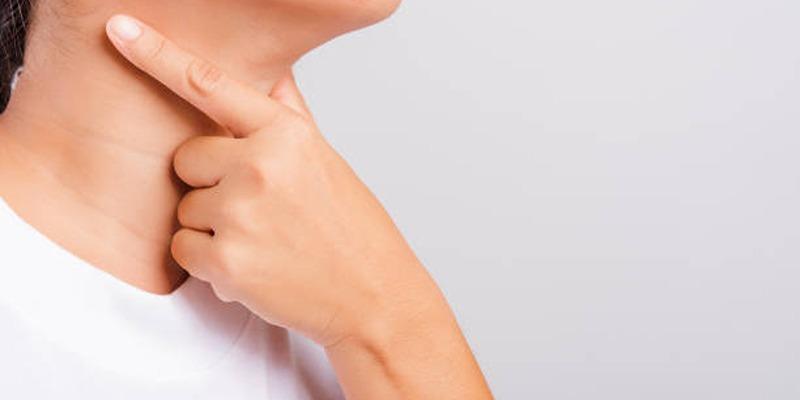
Swollen lymph nodes are common in both children and adults; the causes and prevalence of swollen lymph nodes may vary.
Children
The swelling frequently occurs in children as their immune systems are yet to learn how to combat germs. A child can have a sore or cold throat, which causes small lumps to form in the neck that may be noticed by the parents. This is normally harmless and fades away once he has recovered.
Adults
Swollen nodes also occur in adults, although the reaction of the immune system tends to be more moderate. In adults, the swelling is not as pronounced when the infection is minor.
Common Myths About Swollen Lymph Nodes
This swelling of lymph nodes is misunderstood a great deal. Let's clear up a few.
Myth 1: Swollen Lymph Nodes Always Mean Something Serious
The fact is that the majority of swollen nodes are just the normal reaction of the body to infections. Serious causes are rare.
Myth 2: Nodes have to be sore.
Not all swollen nodes are painful. Others can be swollen yet totally painless, and normal.
Myth 3: Swelling Is Gone as soon as Recovery.
Days or sometimes weeks may pass before nodes reduce to their normal size, even after the infection has gone. This delay is normal.
Conclusion
This is normal in swollen lymph nodes that are consistent with your body's defense system. They are most of the time an indication that your immune system is working and cleaning off germs. Although this swelling may be uncomfortable, it is normally painless and disappears as you recuperate. But it is time to take notice in case the swelling is too prolonged, too rapid, or accompanied by atypical symptoms. This knowledge of the functioning of lymph nodes will help you remain calm and make better health choices. Having ample rest, hydration, and a healthy lifestyle, your lymphatic system will keep guarding you on a daily basis.