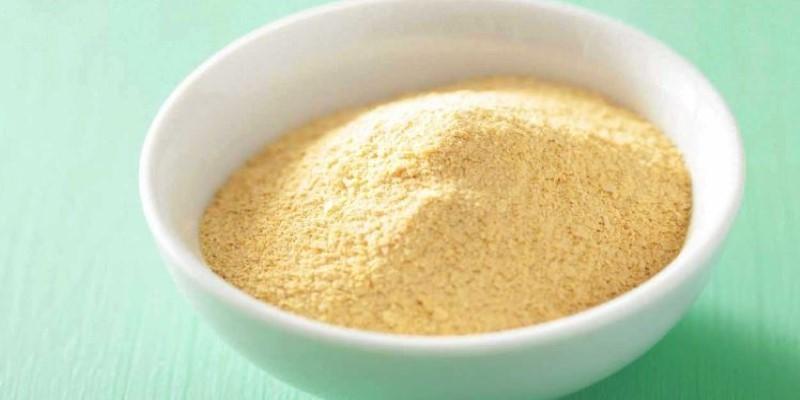
Nutritional yeast appears in many clinical nutrition plans and plant-focused diets due to its dense vitamin profile and savory taste. The inactive yeast, usually Saccharomyces cerevisiae, grows on molasses before heat treatment stops fermentation. Dry flakes or powder remain after processing. Dietitians often include it in meal planning for patients, reducing animal products or managing appetite during recovery. Its micronutrient content, particularly B-complex vitamins, supports metabolic processes that may weaken during illness, restricted diets, or extended medication use.
Nutritional Composition and Key Micronutrients
Nutritional yeast contains concentrated nutrients within a small serving. A tablespoon usually provides several grams of protein along with fiber and trace minerals. Many commercial products undergo fortification with vitamin B12. Plant-based diets sometimes lack reliable sources of this vitamin, which plays a role in red blood cell formation and nerve signaling.
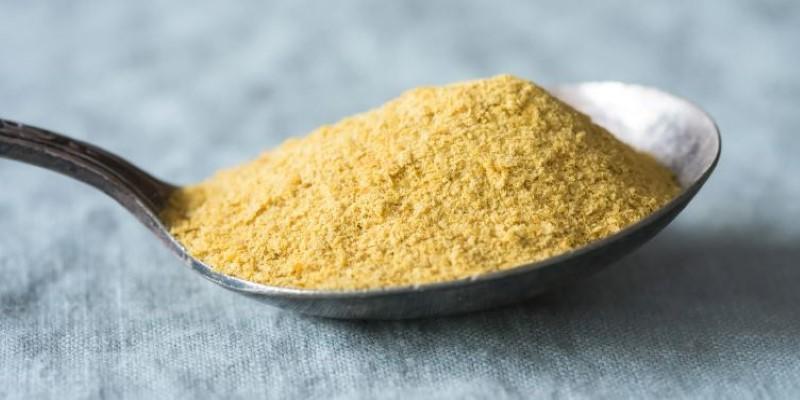
Clinical dietitians frequently monitor B12 status during long-term vegetarian or vegan eating patterns. Blood tests revealing low levels often prompt dietary adjustments. Nutritional yeast offers a convenient method of increasing intake without introducing additional supplements. Flakes blend easily into meals served in outpatient nutrition programs or hospital food services.
B-complex vitamins present in nutritional yeast include thiamine, riboflavin, niacin, and folate. These nutrients support enzyme systems that convert food into cellular energy. In hospital recovery units, patients experiencing fatigue after surgery sometimes receive meal plans enriched with B-vitamin sources. Nutritional yeast may appear in soups or mashed vegetables due to its soft texture and concentrated nutrients.
Protein content contains several amino acids involved in tissue maintenance. Rehabilitation programs addressing muscle loss during prolonged illness often track dietary protein intake carefully. Adding small amounts of nutritional yeast into blended foods increases protein without changing meal texture. Mineral content includes zinc and selenium in moderate amounts. Selenium assists antioxidant enzyme activity that helps limit oxidative stress during infection or inflammation.
Zinc contributes to immune signaling pathways and wound repair. These nutrients remain useful in clinical nutrition strategies aimed at recovery and immune support. Fortification levels vary between manufacturers. Dietitians usually review nutrition labels before suggesting routine use. Excess intake of fortified vitamins may occur when multiple enriched foods combine with supplements.
Health Effects Observed in Clinical and Dietary Contexts
Scientific interest in nutritional yeast often focuses on beta-glucans in the yeast cell wall. These fibers reach the gut intact and can interact with immune receptors in the intestinal lining, a site where much of daily immune signaling is coordinated. In real-world care, the more common driver for recommending nutritional yeast is simpler: low B-vitamin intake. Primary care visits for persistent fatigue sometimes lead to labs that show low B12 or folate. When diet is a likely contributor, fortified nutritional yeast may be added to meals as a practical food-based step alongside treatment plans.
Medication history matters. Long-term acid-suppressing therapy can reduce B12 absorption from typical foods, so clinicians may lean toward fortified options while reassessing symptoms, dosing, and underlying reflux management. Metabolic health enters the conversation, too. Nutritional yeast contains small amounts of chromium, which is involved in insulin action, so it may appear in diet patterns used for prediabetes or metabolic syndrome, paired with glucose logs and follow-up testing.
Tolerance can vary. Larger servings sometimes trigger gas or bloating, especially when introduced quickly. Starting with small amounts mixed into warm dishes helps gauge response. Tyramine is another consideration. For patients taking monoamine oxidase inhibitors, even moderate tyramine sources can pose a risk, so nutritional yeast requires label review and clear coordination with the prescribing team.
Practical Culinary Uses in Clinical and Home Kitchens
Nutritional yeast carries a savory flavor often compared with aged cheese. Hospital food service departments sometimes use it to improve the taste of sodium-restricted meals. Reduced salt diets frequently leave patients dissatisfied with flavor intensity. Small amounts of nutritional yeast restore depth without raising sodium levels.

Soft diet programs in rehabilitation centers require ingredients that blend smoothly. Powdered nutritional yeast mixes well into mashed vegetables, blended soups, and grain porridges. This property allows nutrition staff to increase nutrient density in meals prepared for individuals recovering from dental surgery or swallowing difficulties.
Community health education programs often introduce nutritional yeast during plant-based cooking workshops. Demonstrations commonly include dairy-free sauces made from blended nuts, garlic, lemon juice, and nutritional yeast. These recipes provide flavor variety while keeping saturated fat intake moderate.
Food service teams also use the flakes as a finishing seasoning. Roasted vegetables, pasta dishes, and popcorn frequently receive a light sprinkle. In long-term care facilities, flavor variation supports meal enjoyment among residents experiencing appetite decline. Storage remains straightforward. Airtight containers protect flakes from humidity. Cupboard storage works well in dry environments, while refrigeration may extend freshness in humid climates.
Substitutes and Situations Requiring Alternatives
Several ingredients provide similar flavor or functional qualities when nutritional yeast remains unavailable. Grated aged cheeses, including Parmesan, offer savory intensity. Sodium content requires attention in cardiac or kidney diets, so portions often remain limited. Plant-based cooking sometimes replaces nutritional yeast with ground sunflower seeds mixed with garlic powder and salt.
This blend creates a mild savory topping suitable for vegetables or grains. Community nutrition programs occasionally promote this substitute in low-cost cooking demonstrations. Miso paste contributes fermented depth to soups and sauces. Small amounts deliver a strong flavor, though the sodium concentration remains high. Dietitians generally advise modest portions for individuals managing hypertension or kidney disease.
Mushroom powder offers another option. Dehydrated mushrooms ground into fine powder release natural glutamates that enhance savory taste. Culinary teams frequently add mushroom powder to vegetable broths or gravies prepared with minimal salt. Yeast sensitivity requires avoidance of nutritional yeast products. Substitutes derived from seeds, legumes, or mushrooms allow similar culinary applications without triggering symptoms.
Conclusion
Nutritional yeast functions as both a seasoning and a concentrated nutrient source. Fortified varieties contribute B vitamins, moderate protein, and trace minerals within a small serving. Clinical nutrition plans sometimes incorporate it for individuals limiting animal products or rebuilding dietary intake during recovery. Culinary flexibility allows easy inclusion in soups, grains, and vegetable dishes. Substitutes such as mushroom powder, seed blends, or miso provide comparable flavor when yeast products remain unsuitable or unavailable.