When you start building credit, a secured credit card is often the first step. You put down a deposit that acts as your credit limit, giving the lender some reassurance. Over time, though, you’ll probably want to graduate to a card that doesn’t require a deposit and comes with better terms. An unsecured credit card usually means fewer fees, higher limits, and a sign that your credit profile has improved. But getting there isn’t automatic — it takes a bit of work and planning on your part.
What’s the Difference Between Secured and Unsecured Credit Cards?
The main difference is how they manage risk. With a secured card, you provide a refundable deposit, typically between $200 and $500, which acts as collateral for the lender. If you don’t pay your bill, they can use that deposit to recover some of the loss. This kind of card is often used by people with no credit or poor credit because it gives lenders a layer of protection.
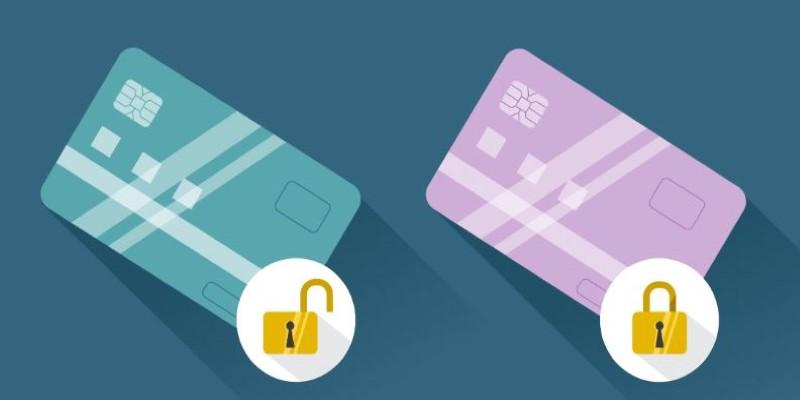
An unsecured credit card doesn’t require a deposit and is issued based on your credit history, income, and ability to repay. Since there's no upfront deposit, lenders rely on your credit score and financial track record to decide whether to approve you and what limit to give. Unsecured cards usually offer better features — like lower fees, higher credit limits, or rewards — but they also expect more responsibility.
Secured and unsecured cards affect your credit in the same way. If you make payments on time and keep your balance low, your credit score can grow, regardless of which type you use. But unsecured cards are considered a step up, showing lenders that you're a reliable borrower.
How to Qualify for the Switch?
Switching to an unsecured card is something you earn. It’s based on how well you've handled your secured card. Lenders generally want to see a track record of at least six months to a year of consistent, on-time payments. Even one late payment can delay your eligibility. The longer your streak of good behavior, the better your chances.
Lenders also look at your credit utilization — how much of your available credit you’re using. If you have a $300 limit and regularly carry a $270 balance, that’s a red flag. But keeping your balance under 30% — in this case, under $90 — shows self-control.
Your credit score will play a role. If your score has improved since you first opened the secured card, you’re in a stronger position. While there’s no universal number that guarantees approval, many unsecured cards start approving applicants with scores in the mid-600s and higher.
Your income is part of the picture too. If you've had a recent raise or started a new job, it may help. Issuers want to be sure that you can cover your bills each month, especially if they’re offering you a higher credit limit.
Not all secured cards offer an upgrade path. Some automatically review accounts after a set period — say, every seven months — while others don’t graduate accounts at all. If your card doesn’t allow you to transition, you may have to apply for a new unsecured card and close the secured one once your deposit is refunded.
What Steps Should You Take?
Start by reviewing your current card issuer’s policies. Some banks, like Capital One or Discover, are known for offering secured cards that can graduate. You can usually find this information on their website or by calling customer service.
If your lender does offer upgrades, ask when your account will be reviewed and what criteria they look for. If you qualify, they’ll notify you and convert your card. Your deposit will typically be returned, either by check or direct deposit, once the upgrade is complete.
If your issuer doesn’t offer this option, consider applying for a new unsecured card. Before applying, check your credit reports for any mistakes. You can do this for free at AnnualCreditReport.com. Fixing errors can give your score a small boost before applying.
When choosing an unsecured card, avoid ones with high annual fees or excessive startup charges. Focus on no-frills cards aimed at people still building their credit. You can always upgrade to better rewards or perks later.
If you’re approved, don’t rush to close your old secured card. Keeping it open — even if you use it rarely — helps maintain your credit history and total available credit. This can benefit your score. If there’s no annual fee, keeping it open a bit longer can help smooth the transition.
If the card charges a fee or no longer helps you, close it after your new unsecured card is active and your deposit has been refunded. Just make sure the balance is fully paid off before you do
Staying on Track After the Switch
Once you’ve moved to an unsecured card, stick with the same good habits that helped you get there. Keep your spending below your limit, pay your bills on time, and try to pay off your balance in full each month to avoid interest charges.
If your new card comes with a higher limit, it can help lower your credit utilization ratio, which is a positive for your credit score. But higher limits can also make it easier to overspend. Keep using your card like you did when it was secured, with a focus on building credit, not accumulating debt.
Try not to apply for several new cards in a short period. Each application triggers a hard inquiry, which can temporarily lower your score. Space out your applications and let your credit history develop slowly.
If you run into financial trouble, contact your card issuer. Many offer temporary relief programs or payment plans. Ignoring your bill can hurt your credit more than reaching out for help.
Conclusion
Moving from a secured to an unsecured credit card reflects real progress in your credit journey. It signals that you’ve built trust with lenders through consistent payments, controlled balances, and responsible habits. The change isn’t automatic, but with steady effort, it’s within reach. Whether you upgrade with your current bank or apply for a new card, staying disciplined ensures your credit history continues to strengthen.